Welcome to the Aggression and Intergroup Relations Lab Website!
Our Focus
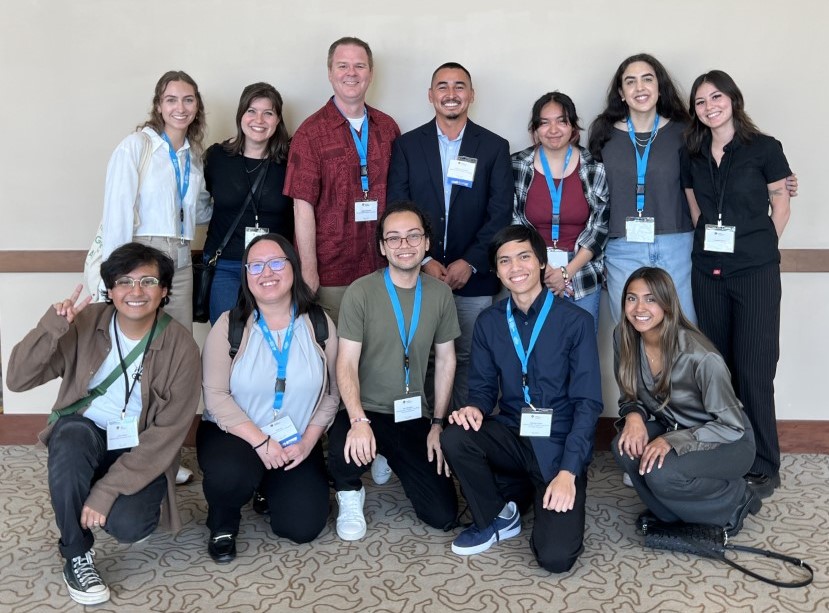
As a Social Psychology research lab, our aim is to study social interaction and social influence particularly as it relates to better understanding the factors that impact aggressive behavior. Under the direction of Dr. Bill Pedersen, we investigate a variety of personality and situational factors that impact both interpersonal and intergroup violence. For more information about specific research questions we aim to address, as well as current and past student research assistants, please follow the links on the left of this page.
Projects and Research Questions
Do in-group/out-group status (operationalized by political party affiliation), perceived out-group entitativity, and group recategorization impact vicarious retribution/aggression against those from opposing political parties?
Our lab is conducting a series of studies examining whether someone’s in-group/out-group status and perceived out-group entitativity (how cohesive/tightly knit they view the opposite political party) impacts the amount of aggression following an insult to their own political party.
Additionally, we are attempting to see whether prompting them to think of themselves as a superordinate identity of “American” vs. as a partisan member of “Democrat/Republican” will either buffer against or exacerbate aggression.
Lastly, we are examining whether invoking a sense of individualism (views centering the self) or a sense of communalism (views centering others) impacts this relationship.
Does experiencing social exclusion increase pain and does this pain augment subsequent aggression?
Our lab has conducted a series of studies investigating (1) whether pain mediates the impact of social exclusion on aggressive behavior and (2) interventions designed to reduce aggression following social exclusion.
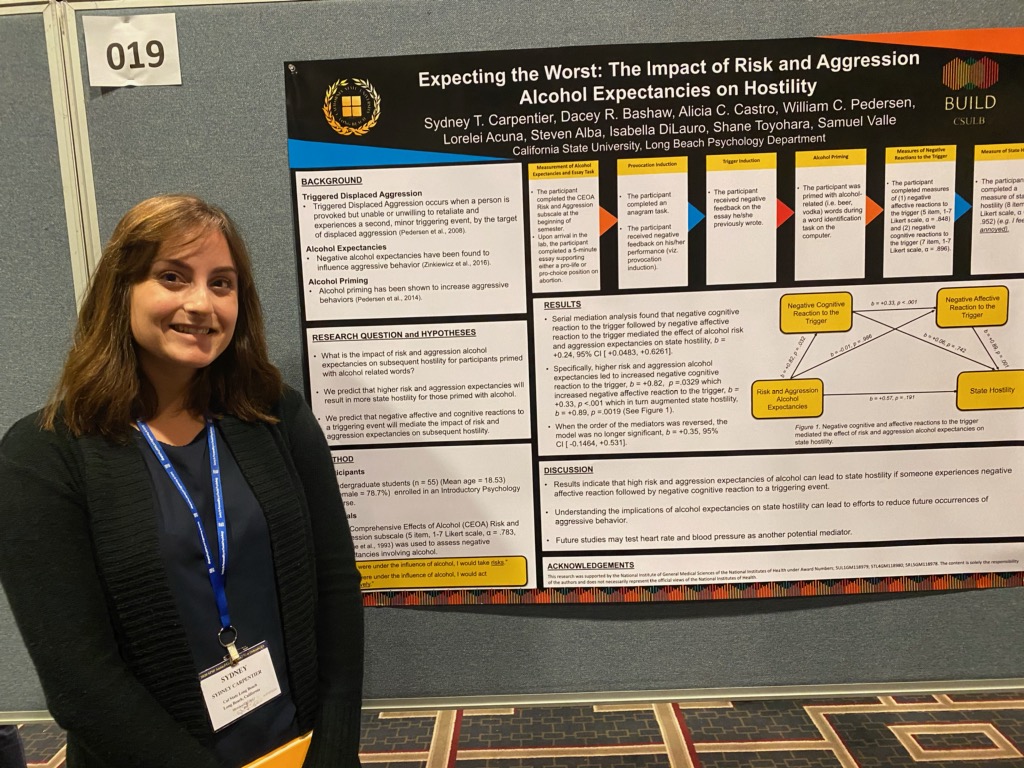
Can priming people with thoughts about alcohol or religion impact aggressive behavior?
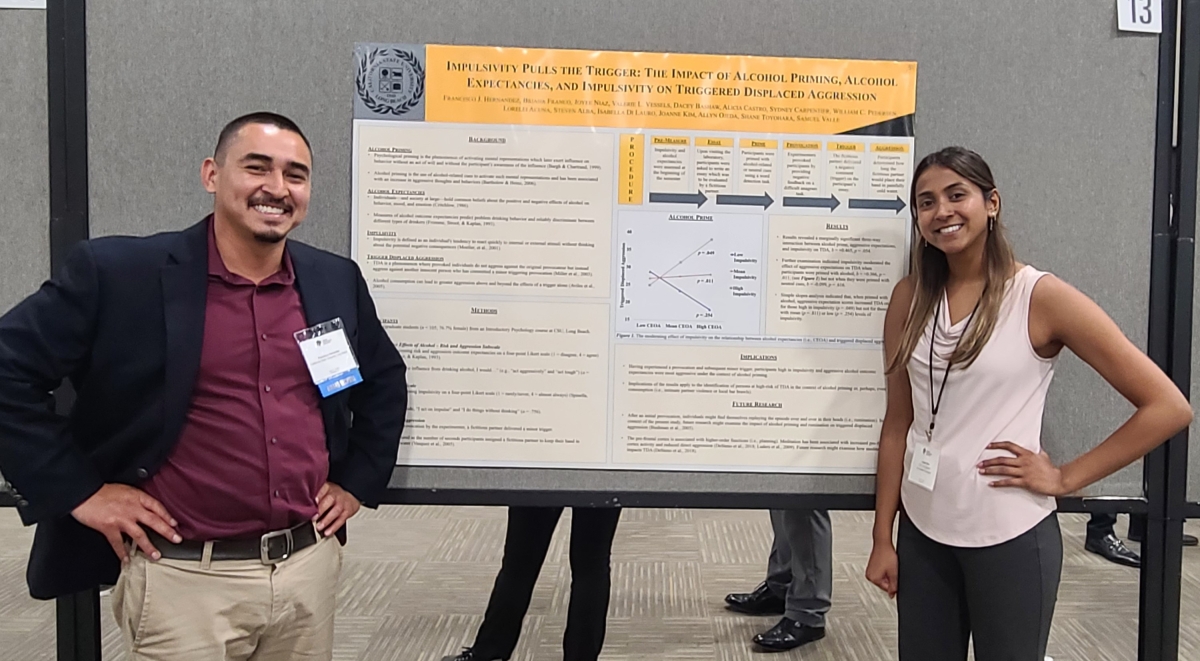
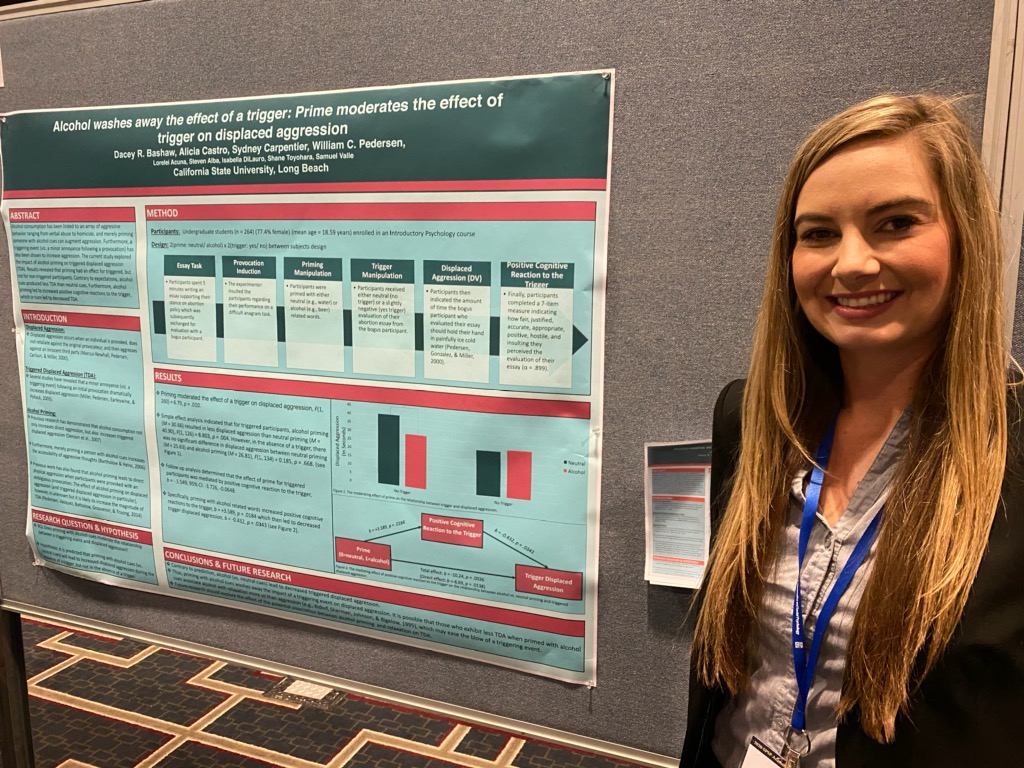
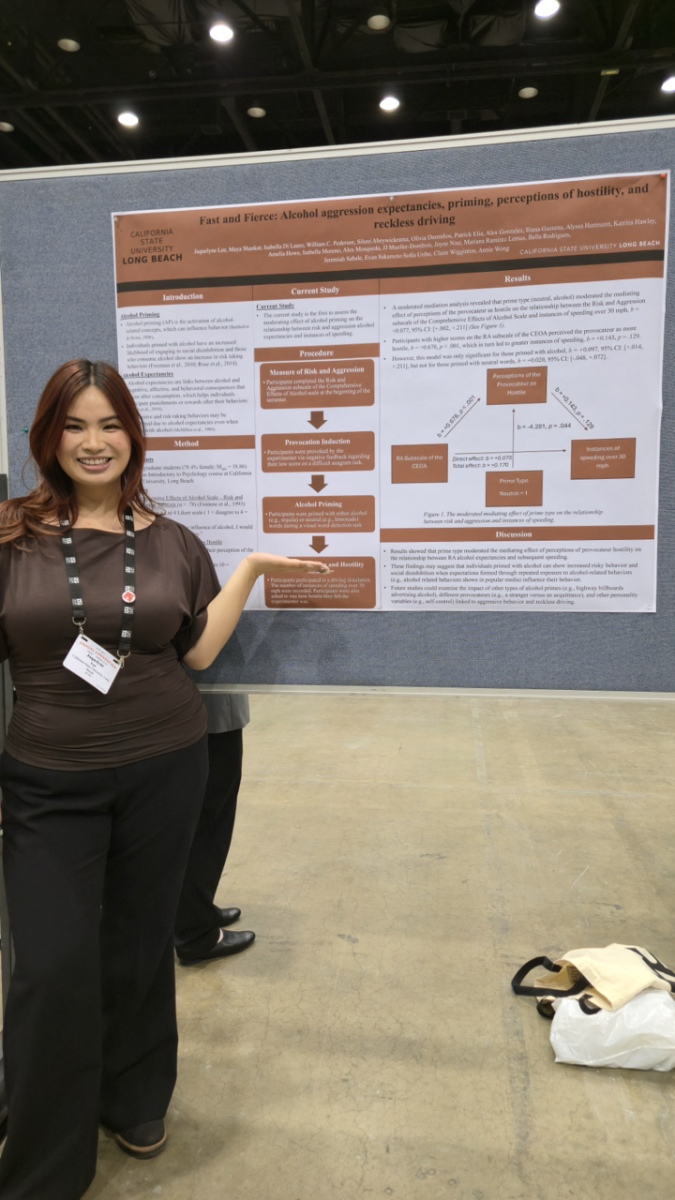
Cues outside of awareness (priming) can impact behavior. In our lab we have performed various studies indicating that people primed with alcohol related words are more aggressive following an ambiguous provocation. We have also investigated the impact of alcohol priming on triggered displaced aggression. Our lab has used these previous findings to start a new line of research that explores how alcohol priming impacts aggressive driving behaviors such as speeding, off roading, and failing to stop at red lights.
Additionally, we have shown that priming people with certain religious concepts can reduce aggression. Religion is not a monolithic concept, and the studies we performed utilized priming with different aspects of religion to explore how associations with religion can impact behavior.
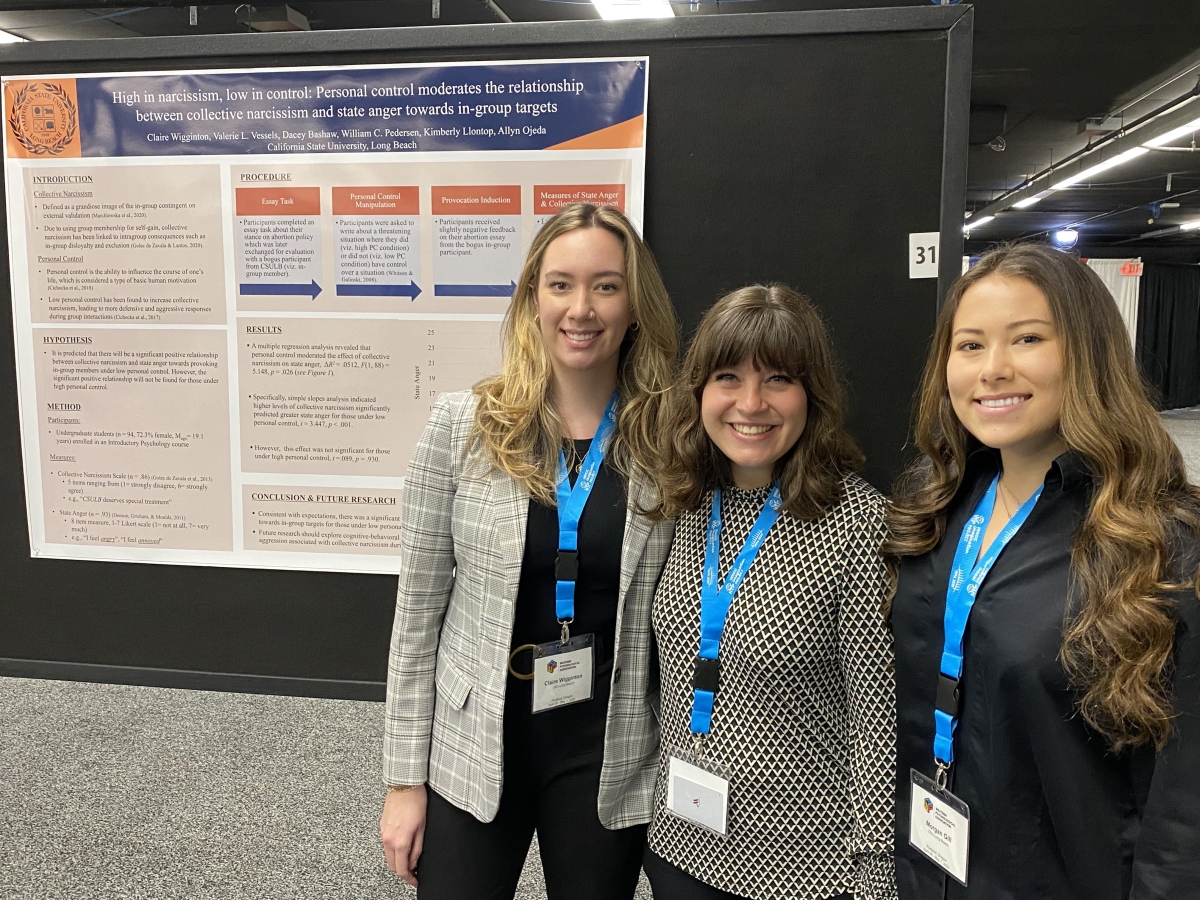
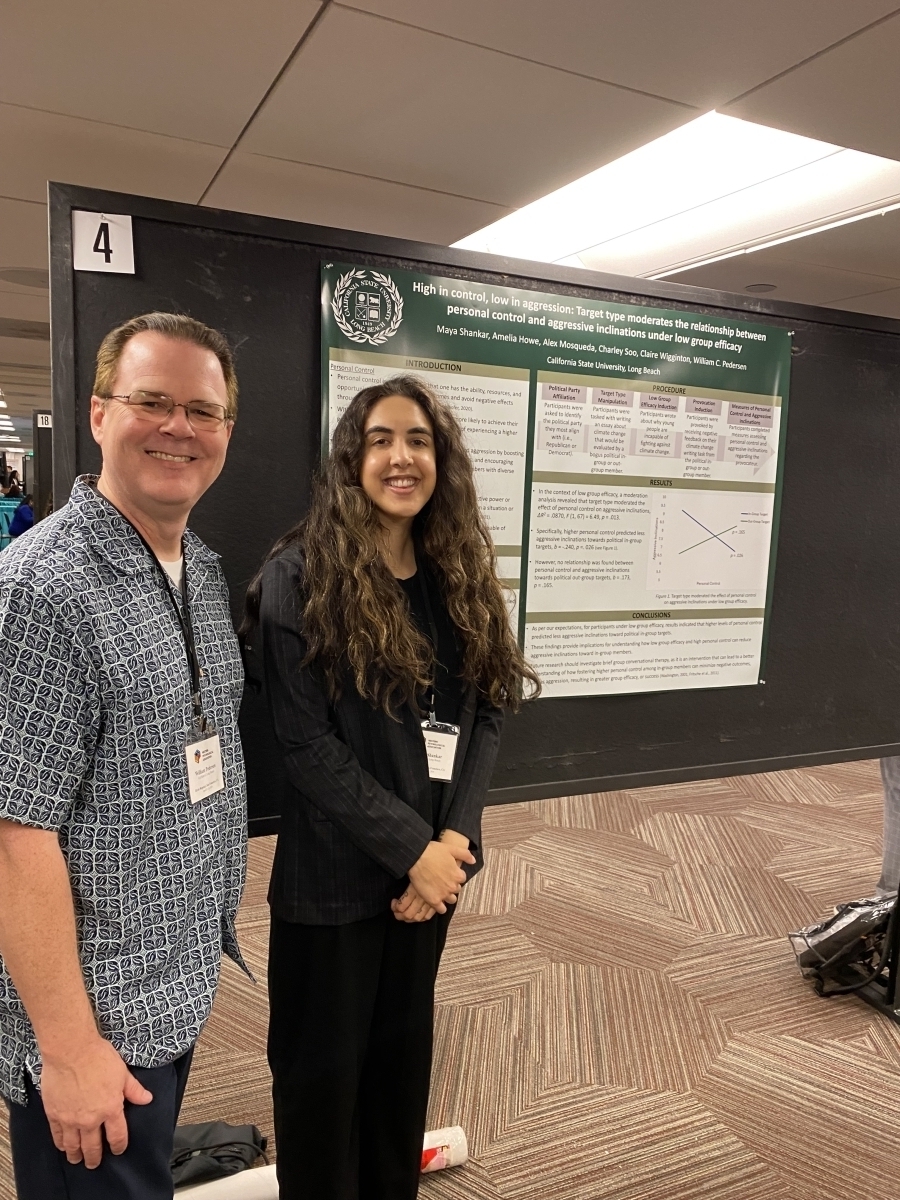
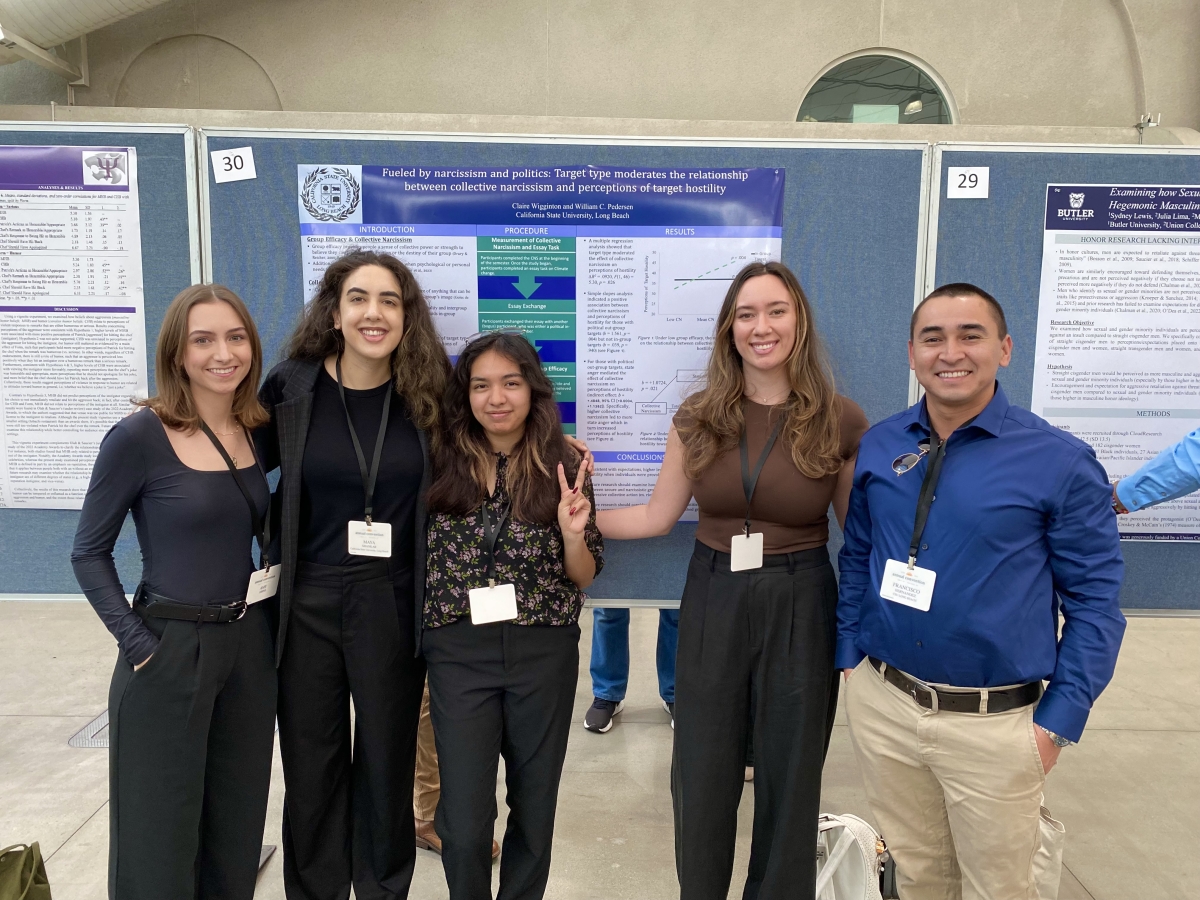
Does personal control influence the impact of collective narcissism on intergroup and intragroup aggression?
A collective narcissist has an inflated perspective of the greatness of their in-group and are particularly sensitiveness to perceived threats to their in-group’s image. Our lab is exploring whether personal control influences the impact of collective narcissism on aggression towards in-group and out-group members.
Does rumination impact the effect of emotions on collective action?
Rumination has been shown to sustain feelings of group-based anger, which can have a positive impact on collective action. Our lab is exploring the effect of rumination on group-based emotions on collective action, which could shed new light on factors that impact collective action that may be applied to a variety of important social justice issues that could bring about positive societal change.
Does thinking about a provoking situation in a group produce more aggression then when you think about it by yourself?
Individual rumination can be defined as perseveratively thinking about a provoking incident, while collective rumination refers to the same process in the context of a discussion with other people. In our lab we have conducted a series of studies showing that, relative to individual rumination, collective rumination increases aggressive behavior. We are investigating moderators and mediators collective rumination on both direct and displaced aggression and the impact of collective rumination in intergroup settings.
Do resource inequality and perceptions of unfairness impact rumination and retributive justice?
We have conducted a series of studies in our lab investigating the relationship of resource inequality, appraisals of unfairness, rumination (i.e., stewing about something that makes you mad), anger, and retributive justice. We are also looking at various personality variables that moderate these effects.
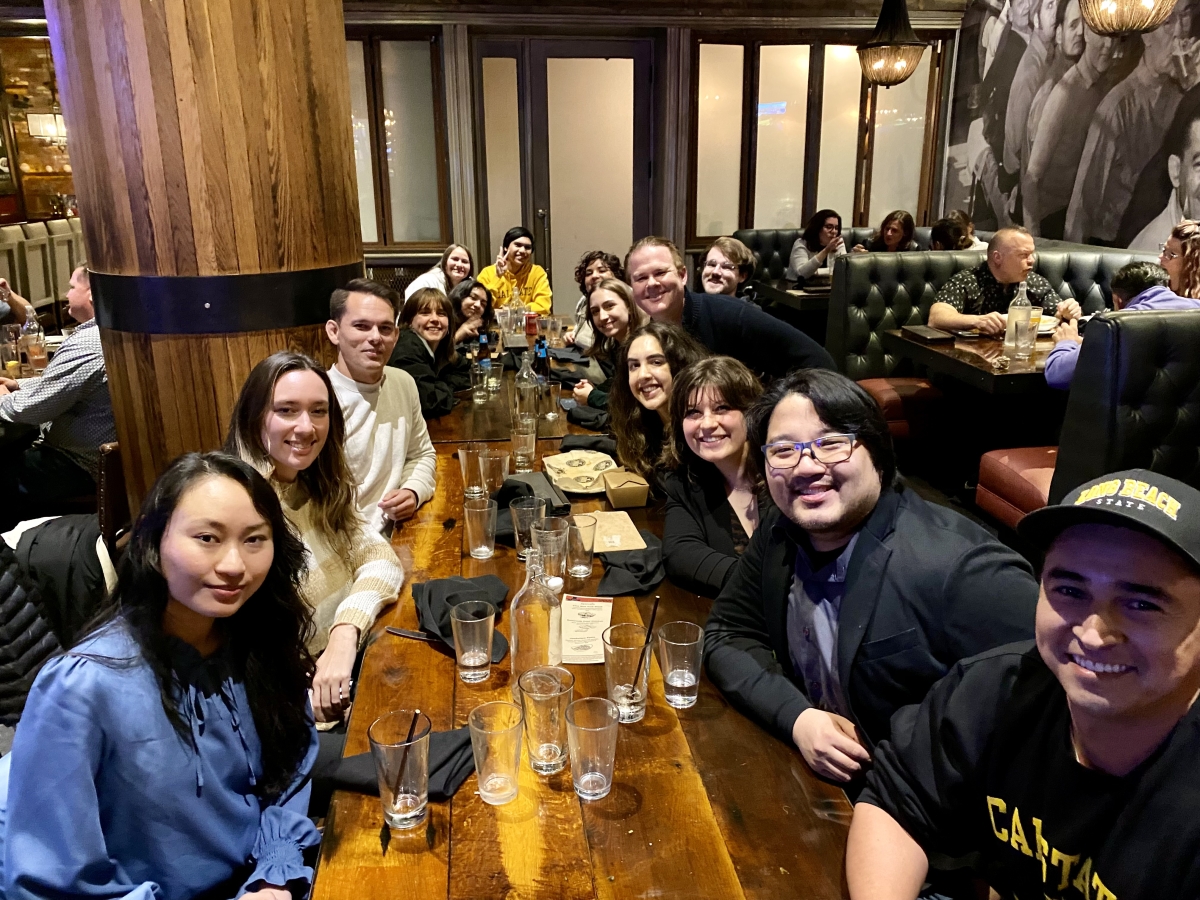
Lab Images

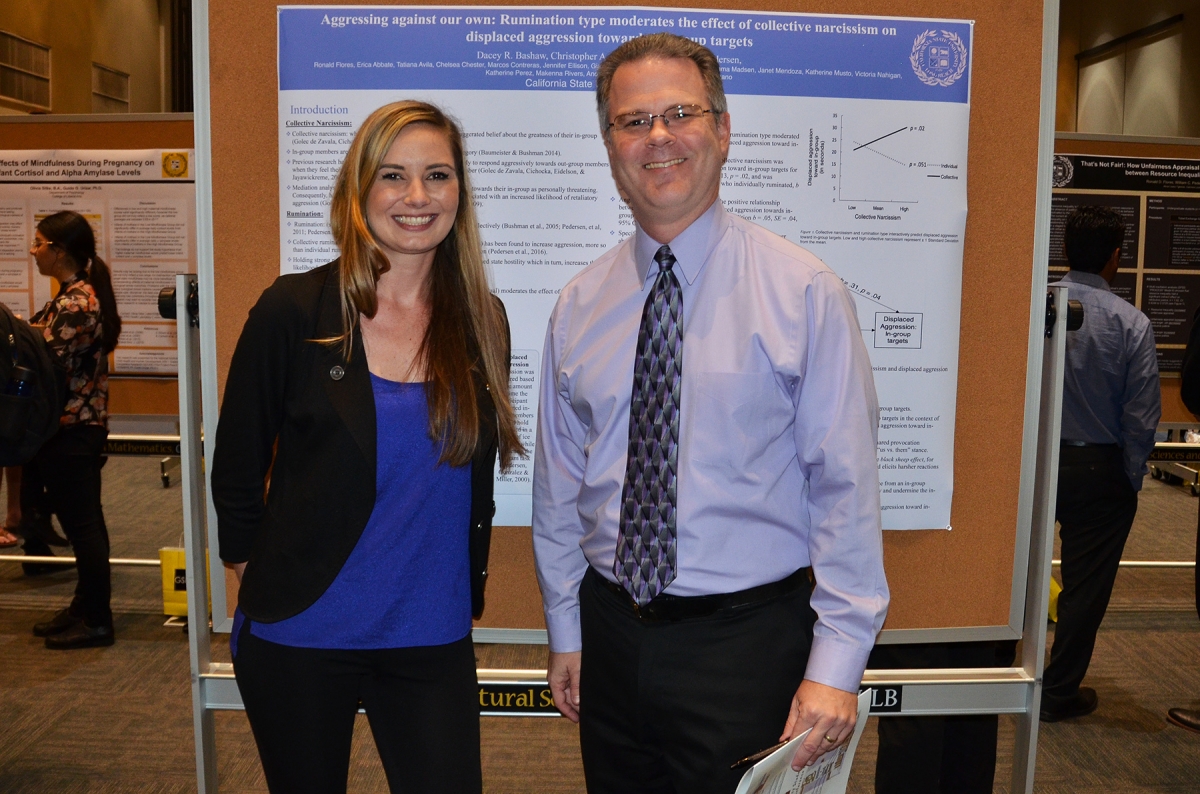
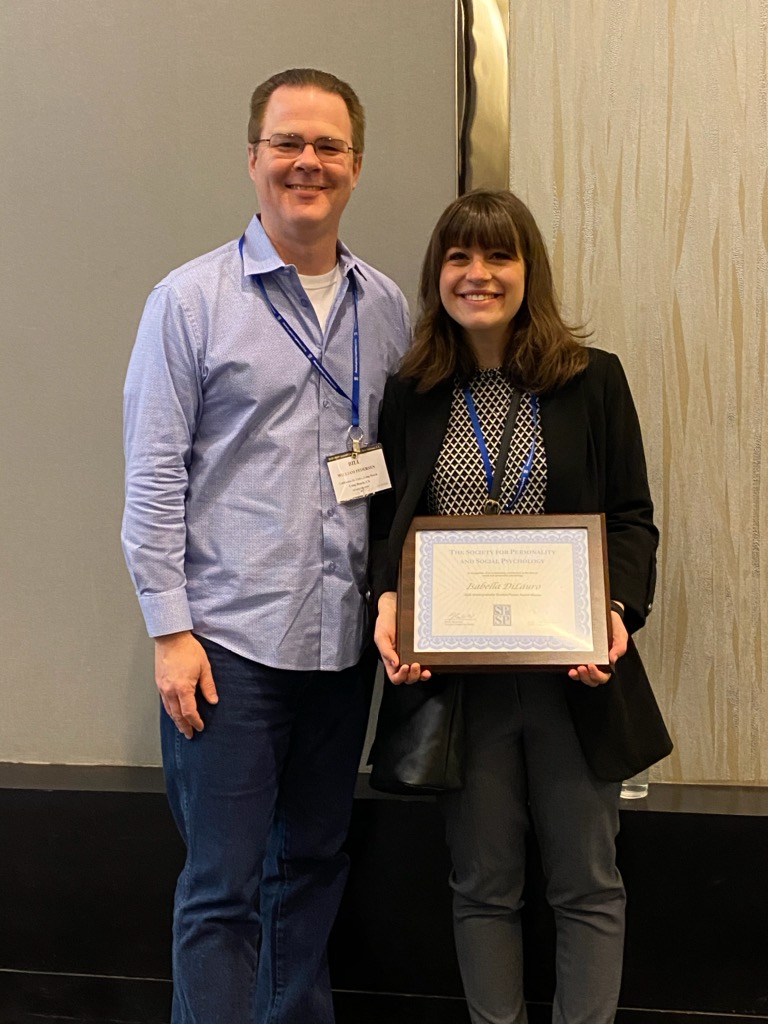
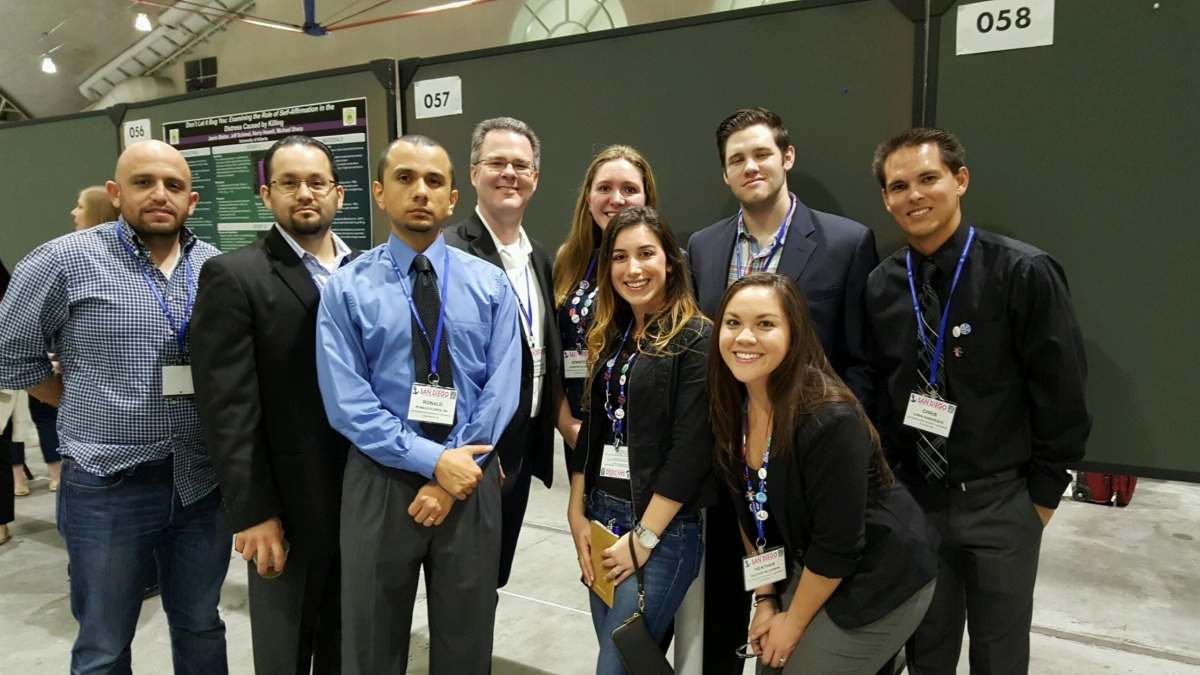

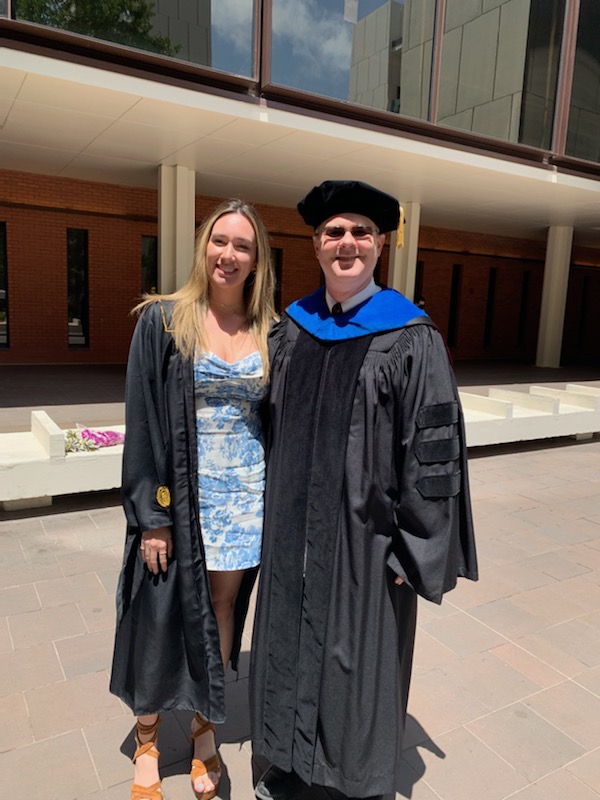
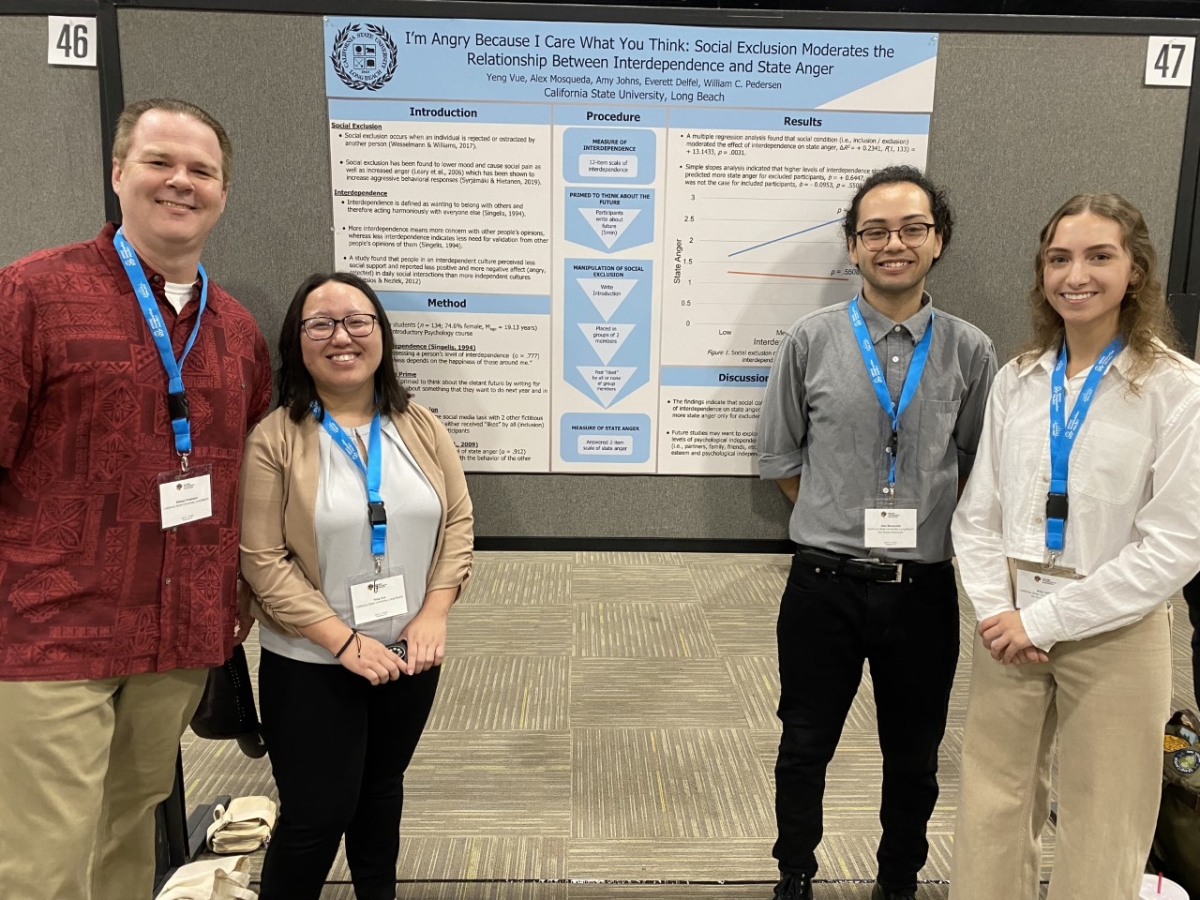
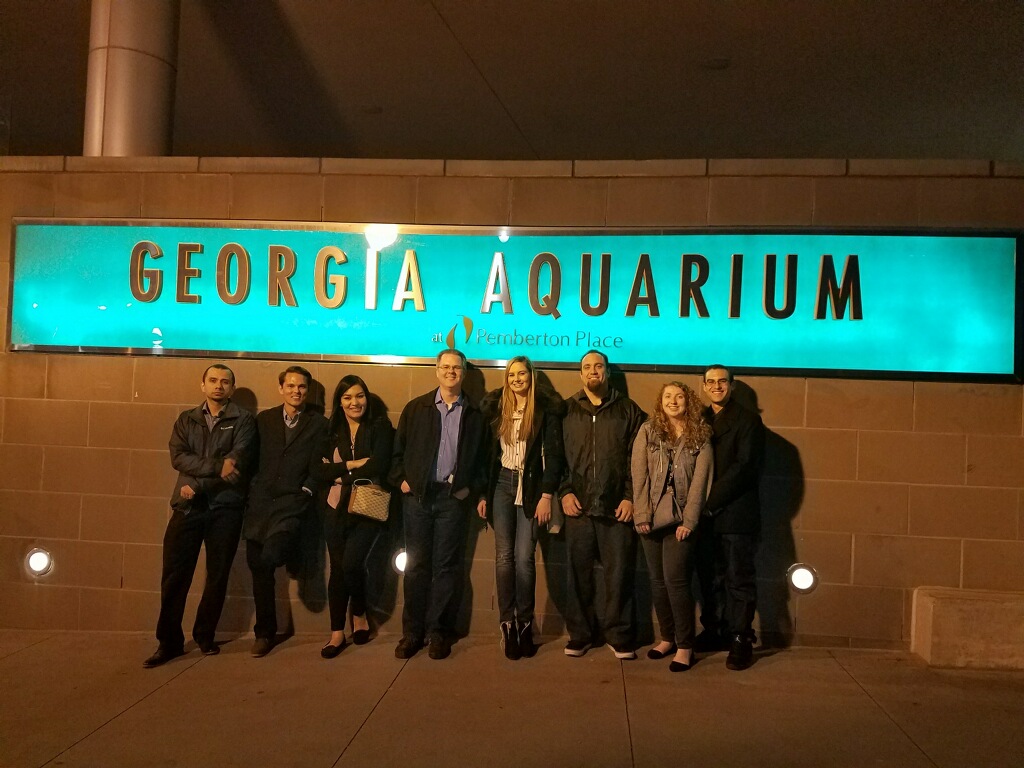
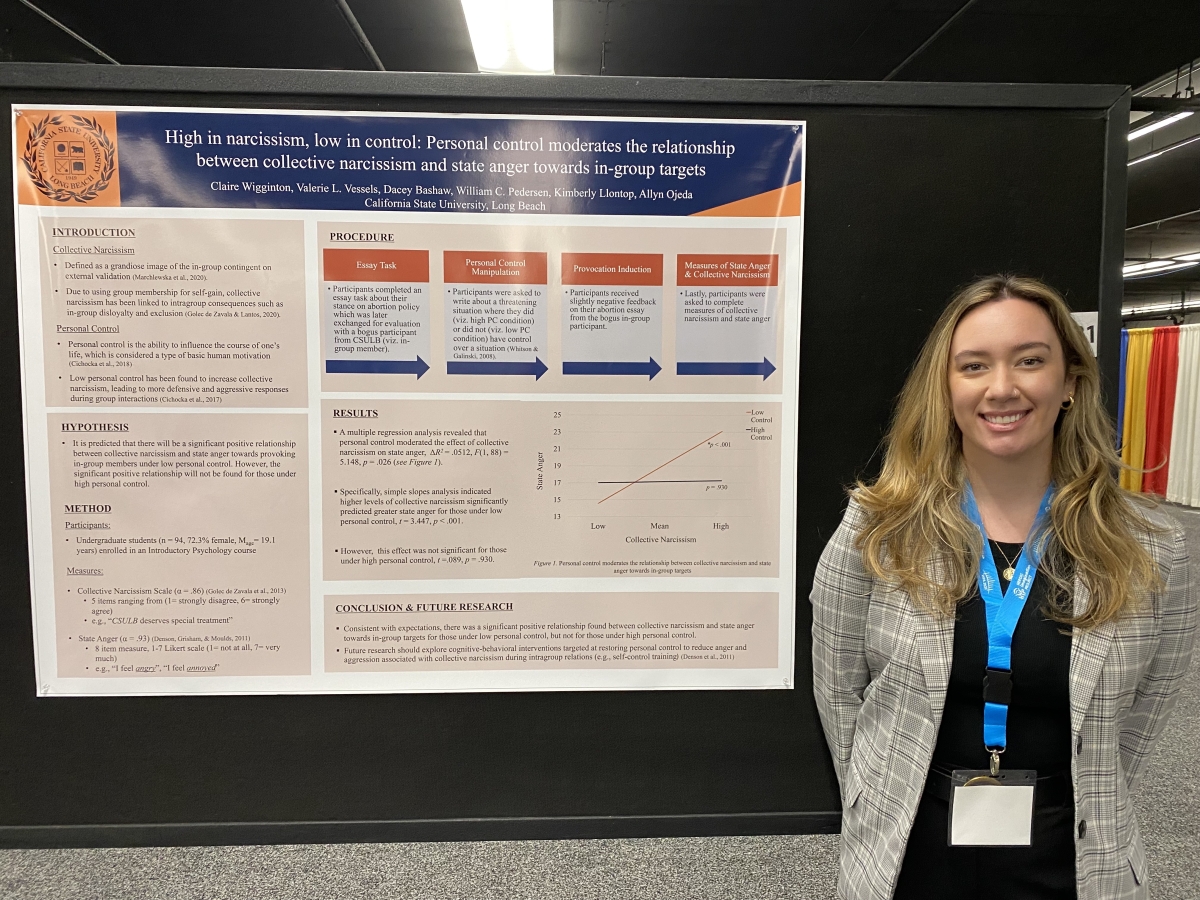
.jpeg)
.jpg)
Lab News
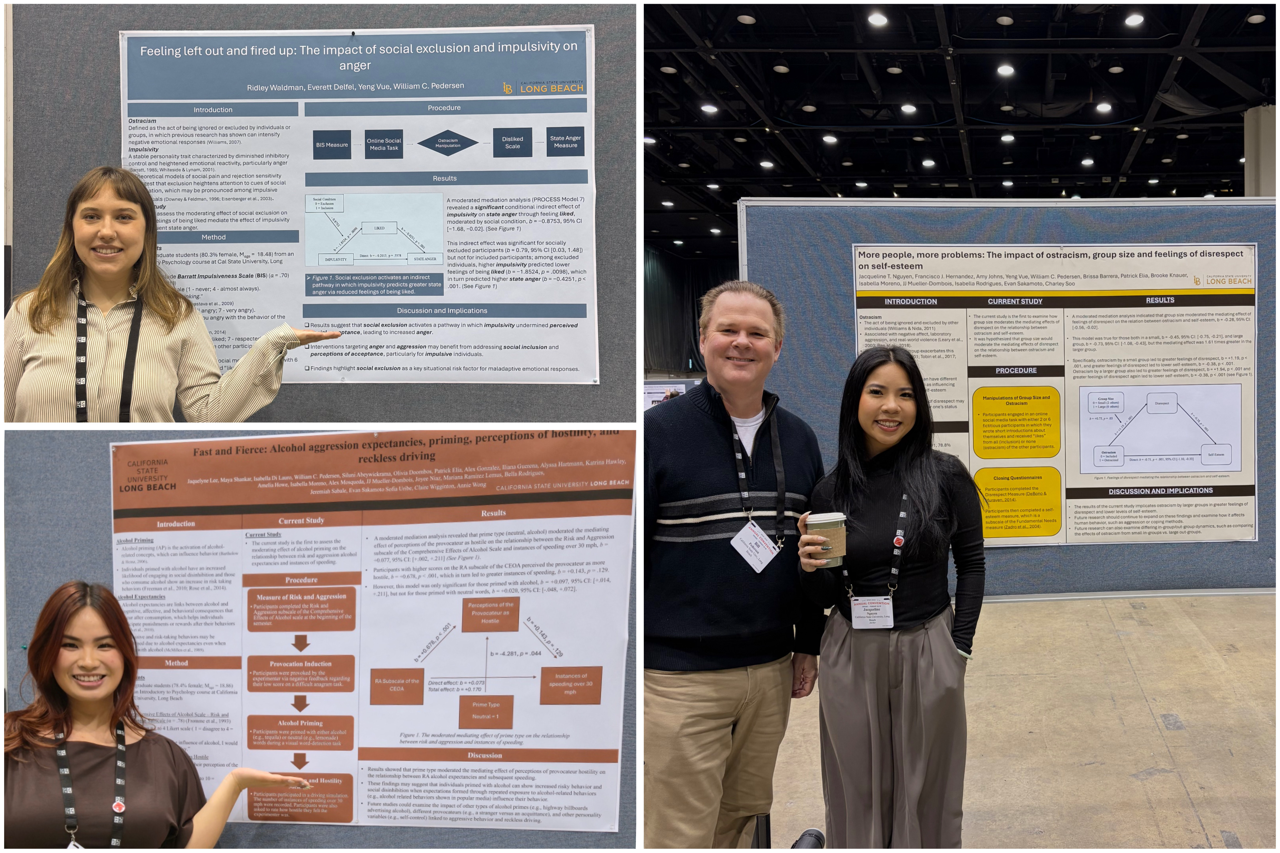
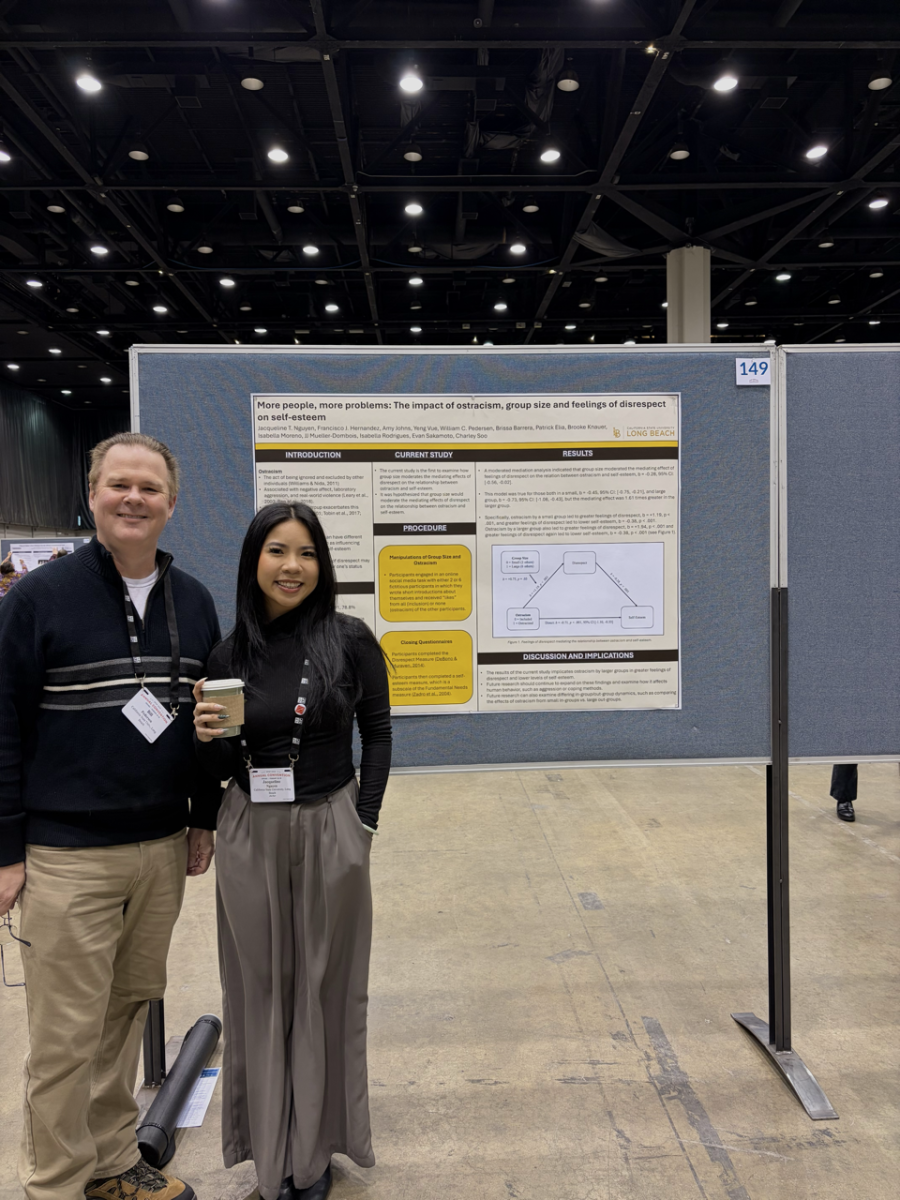
Research Presented at National and Regional Conferences
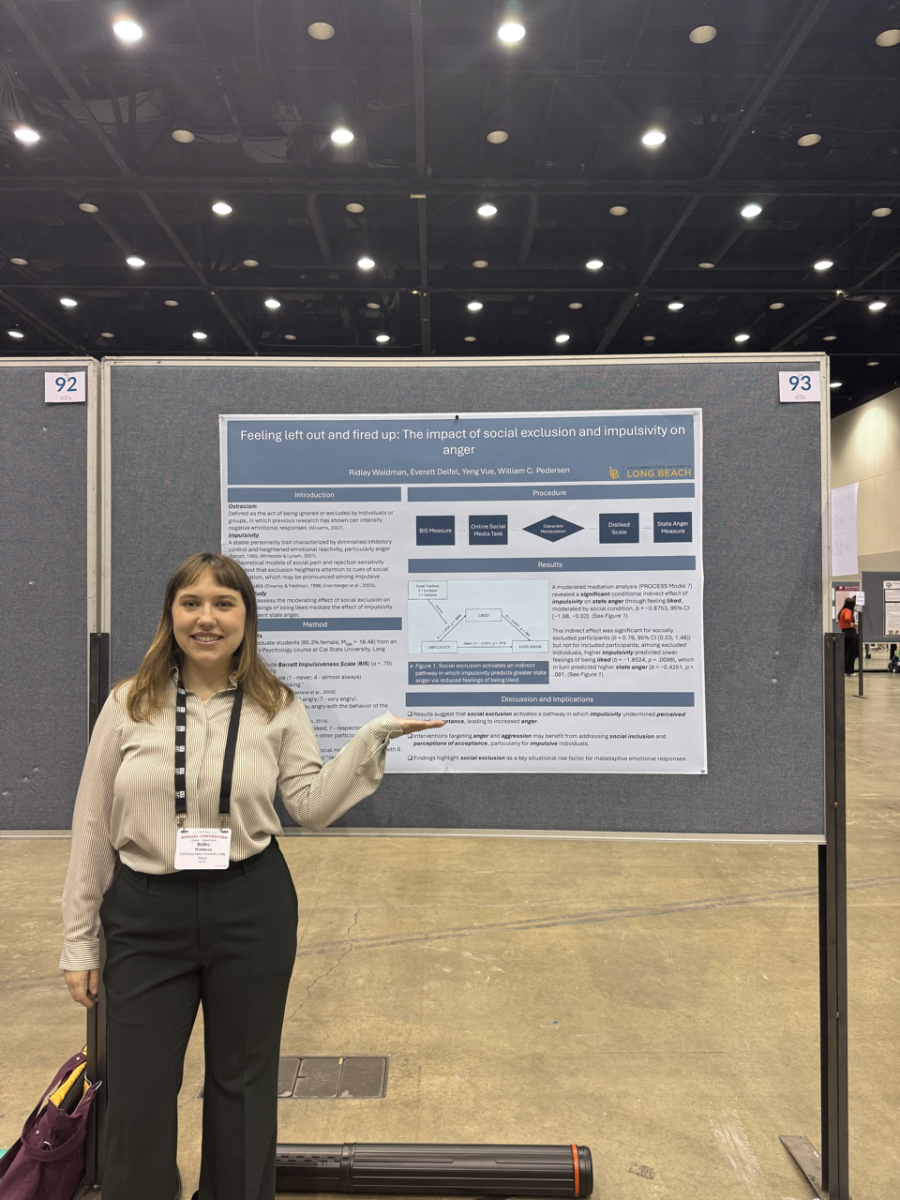
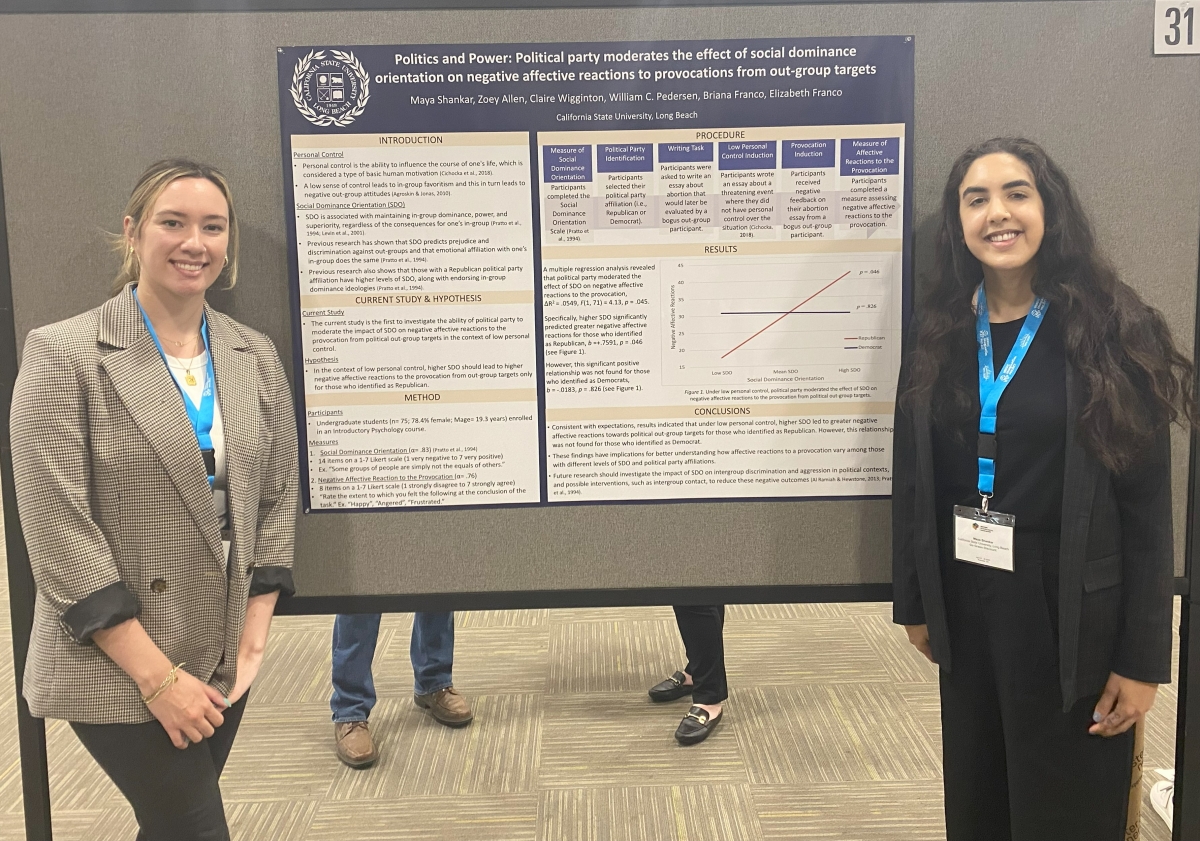
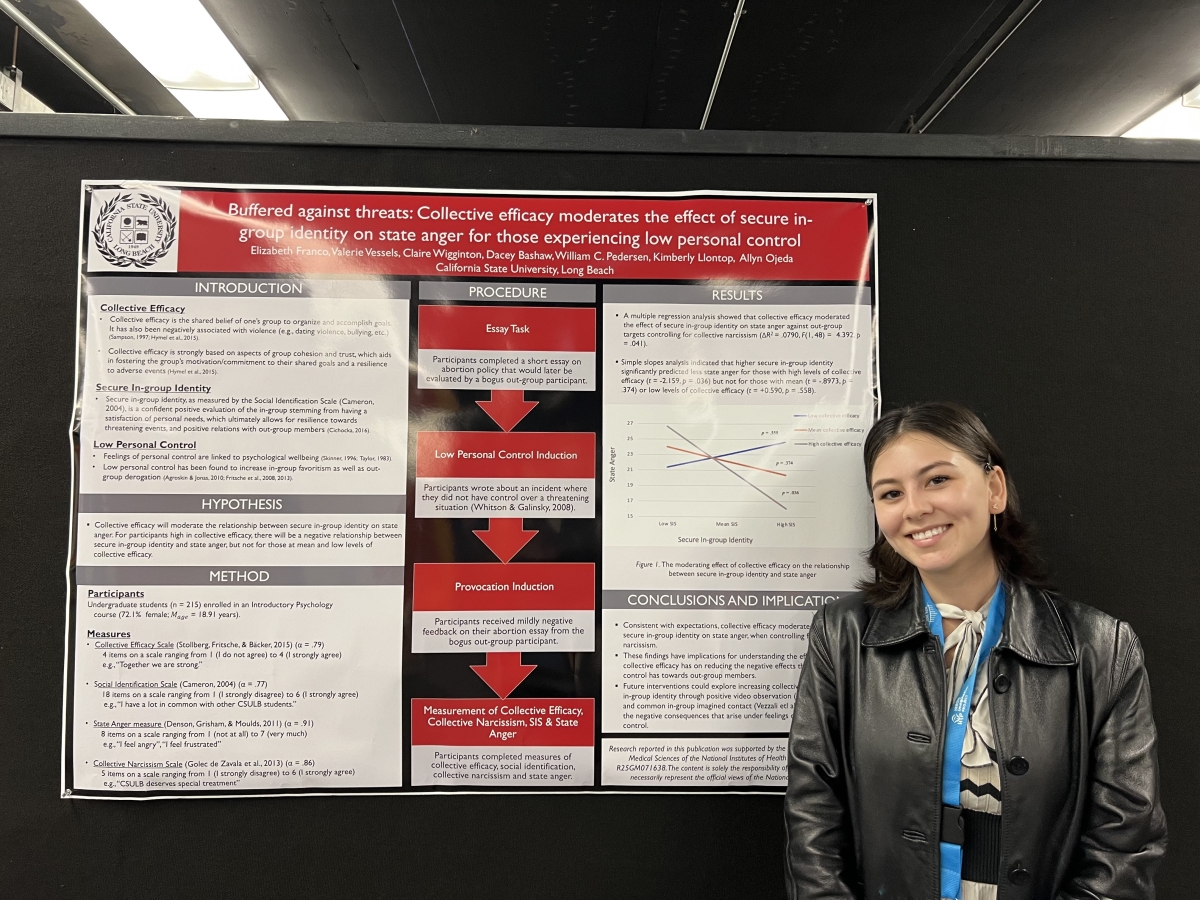
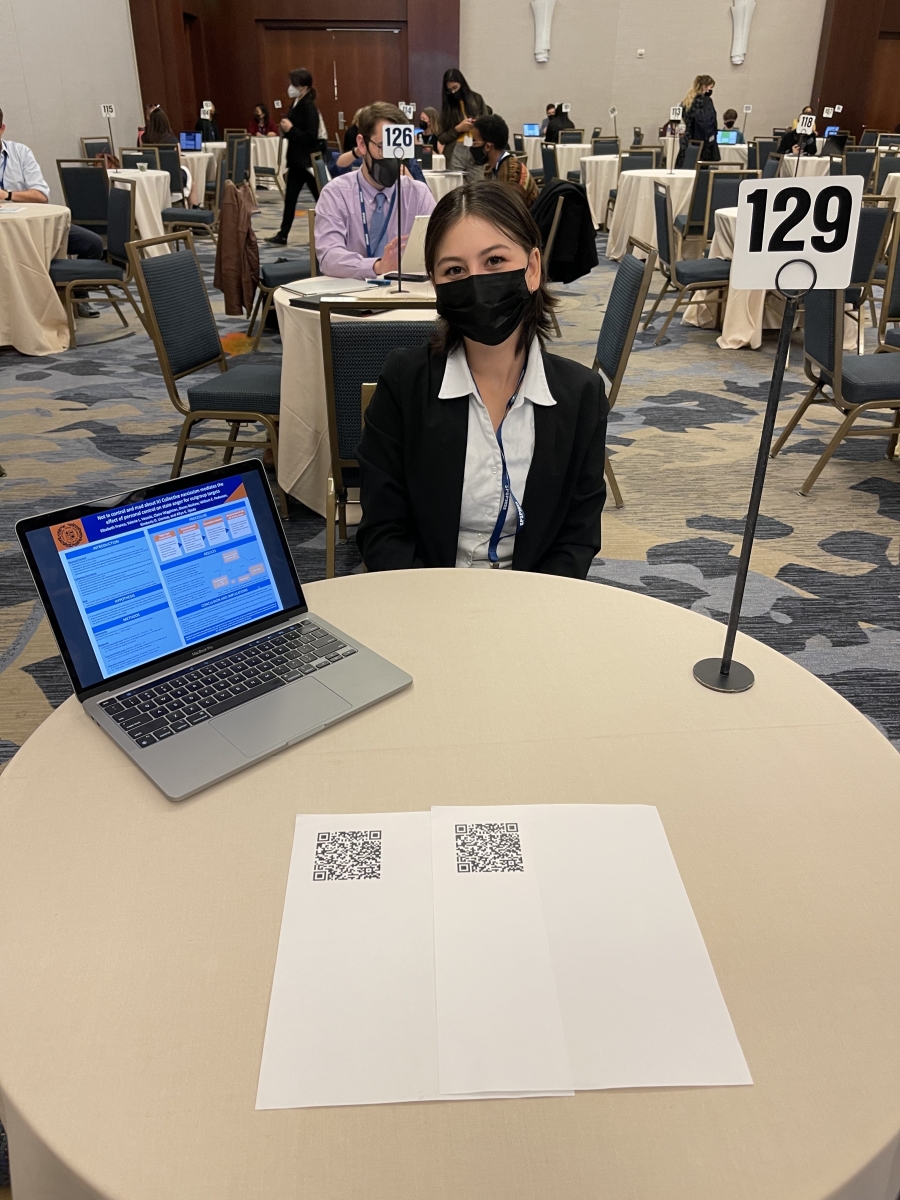
Three posters were presented by students from the lab at the 2026 Society for Personality and Social Psychology (SPSP) Conference in Chicago, IL.
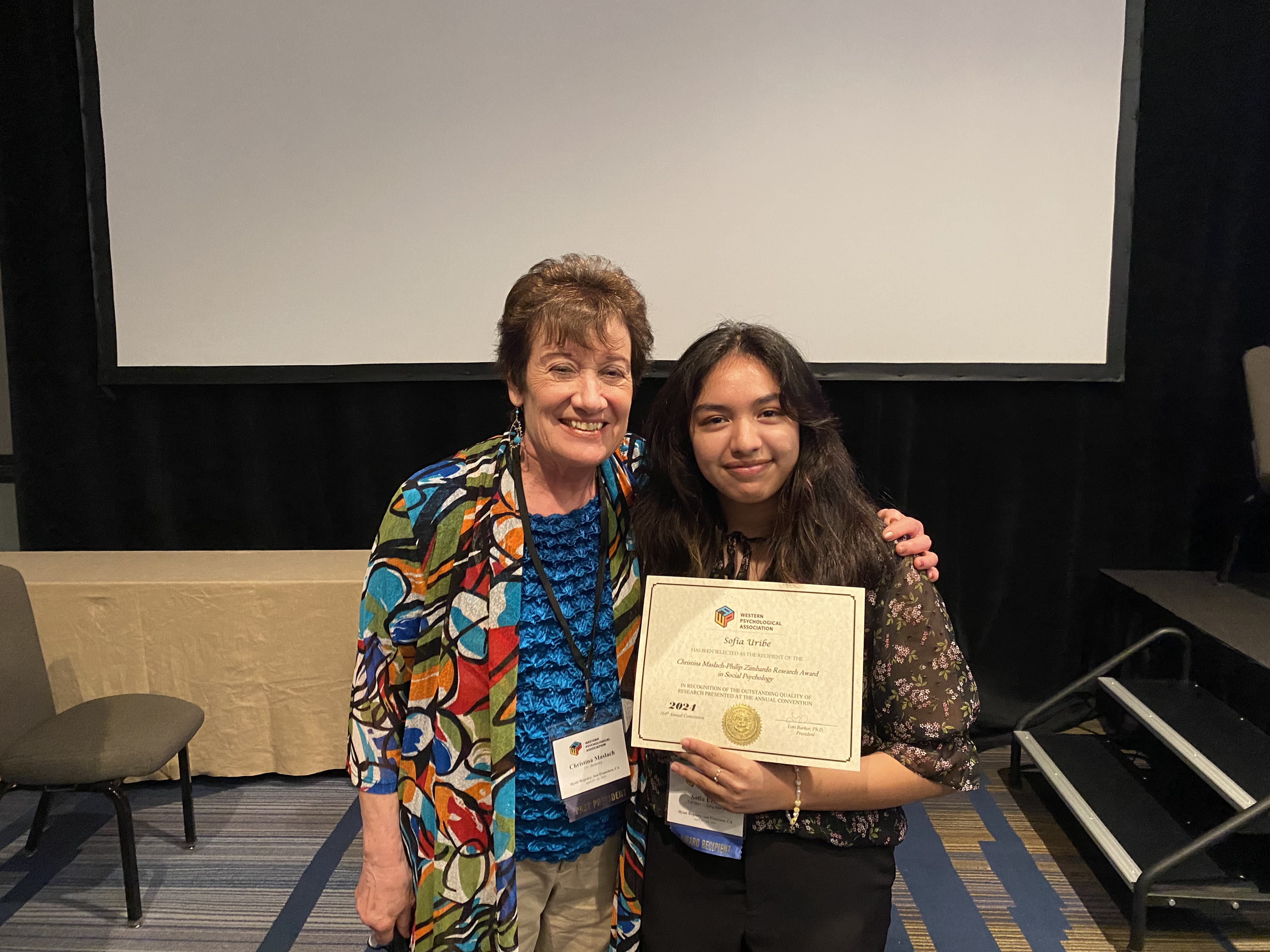
Student Poster Award Recipients
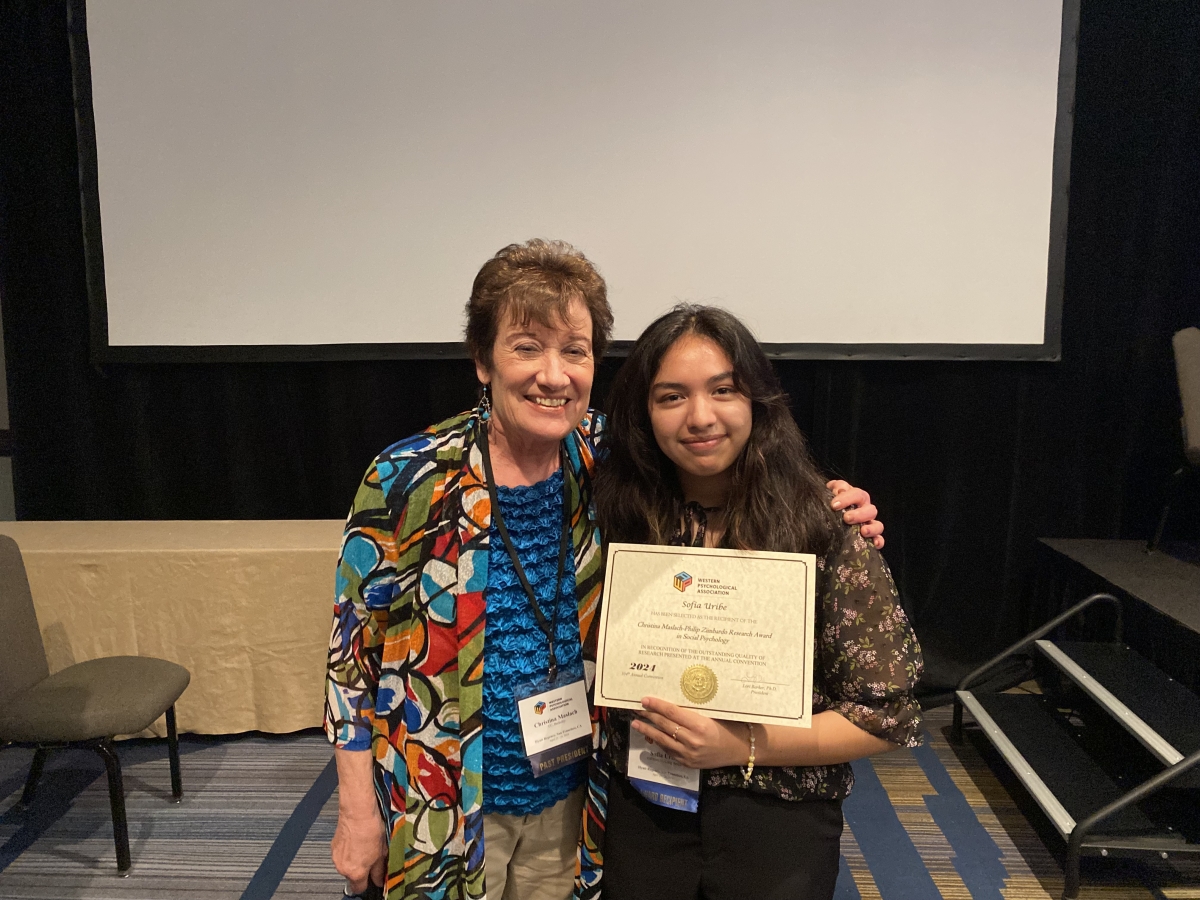
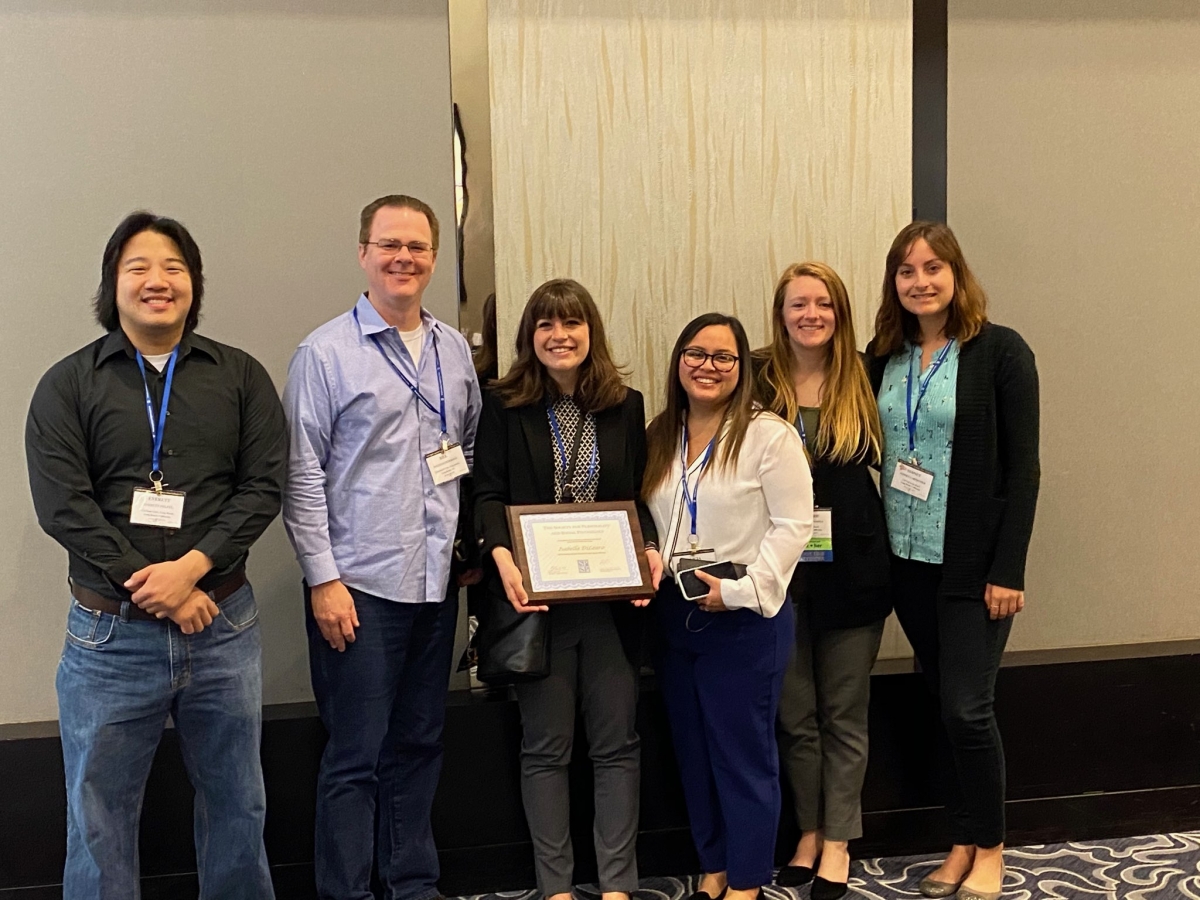
Sofia Uribe won the Christina Maslach-Philip Zimbardo Research Award in Social Psychology at the Western Psychological Association (WPA) Conference in both 2024 and 2025.
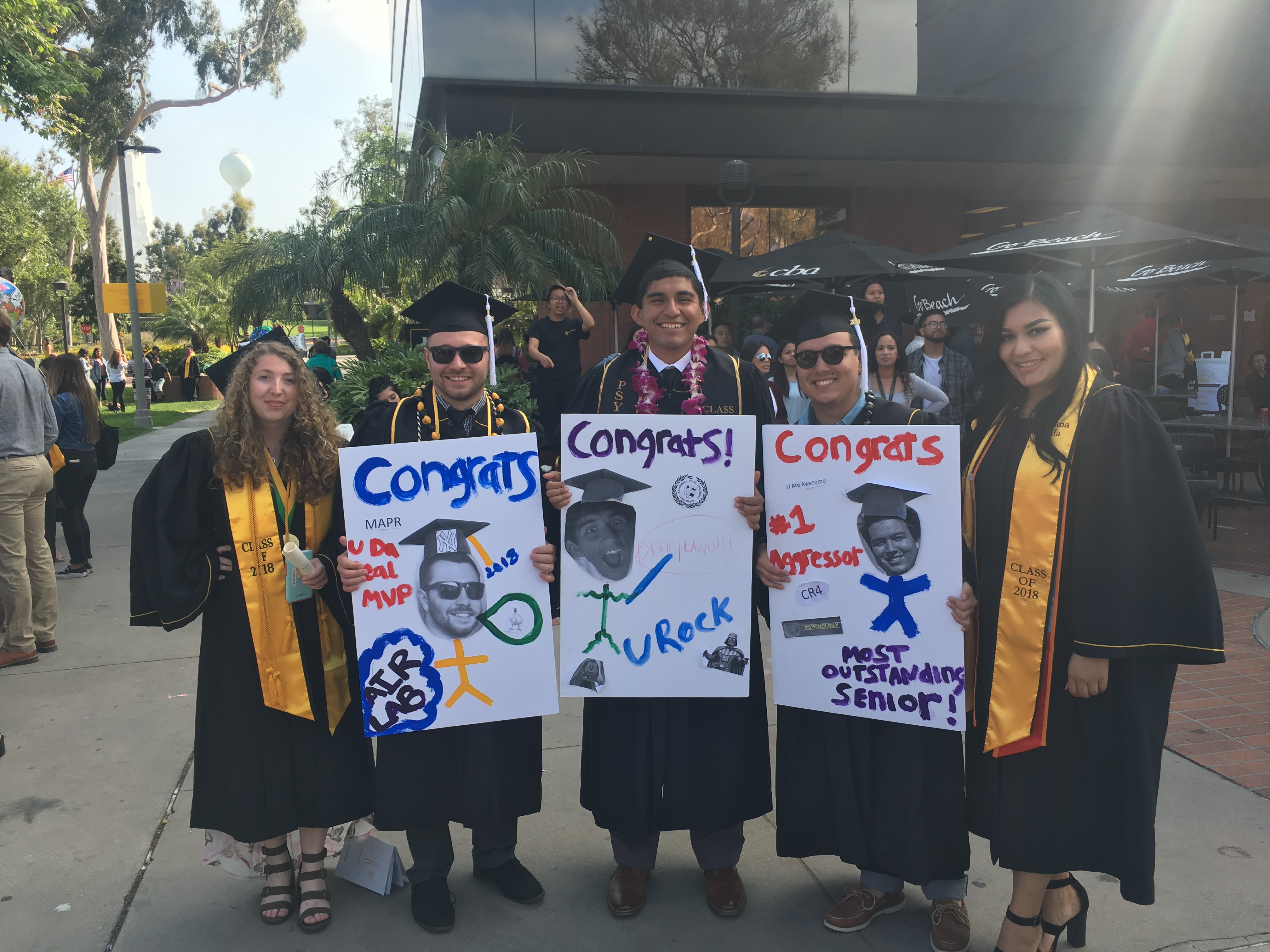
Lab Students Attending Graduate School
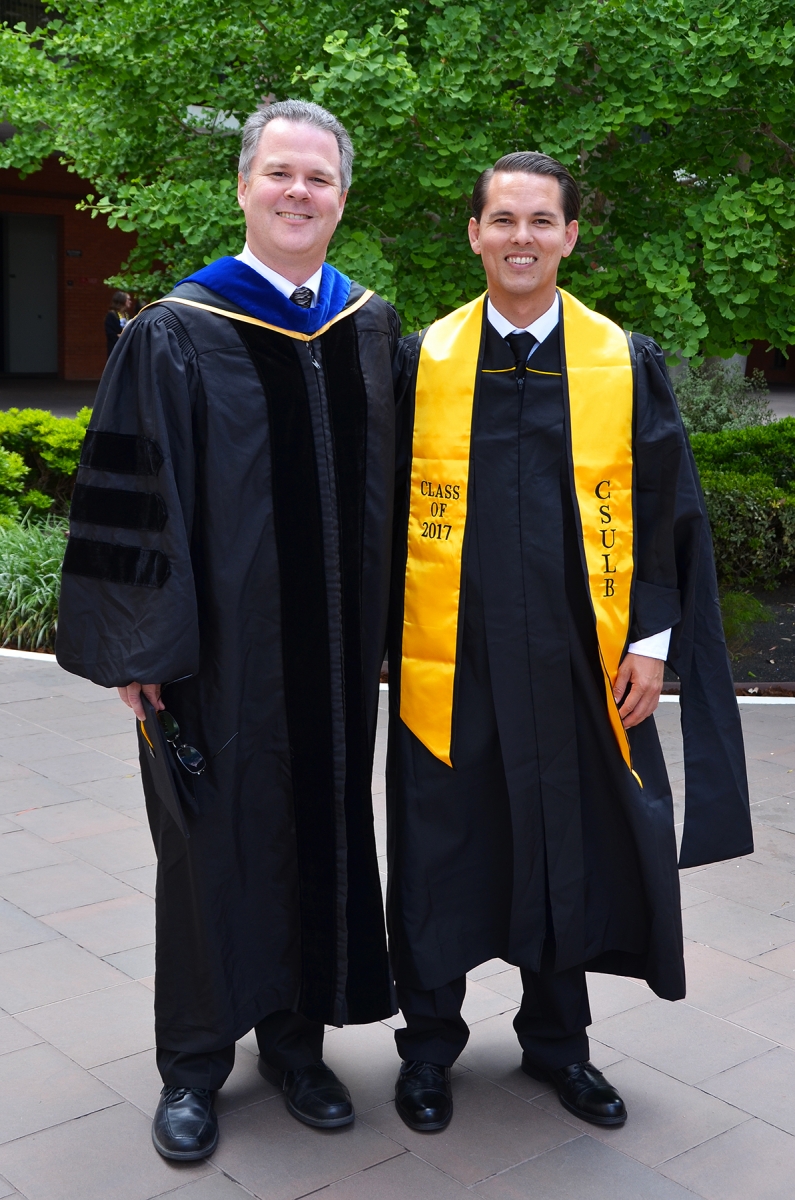
Over the past nine years, 50 students from the lab have been admitted to master’s and doctoral programs. These include Ph.D. programs in social psychology, clinical psychology, developmental psychology, and quantitative psychology plus master’s programs in in criminology and criminal justice, psychological research, applied psychology, IO psychology, education, and MFT and MSW programs.
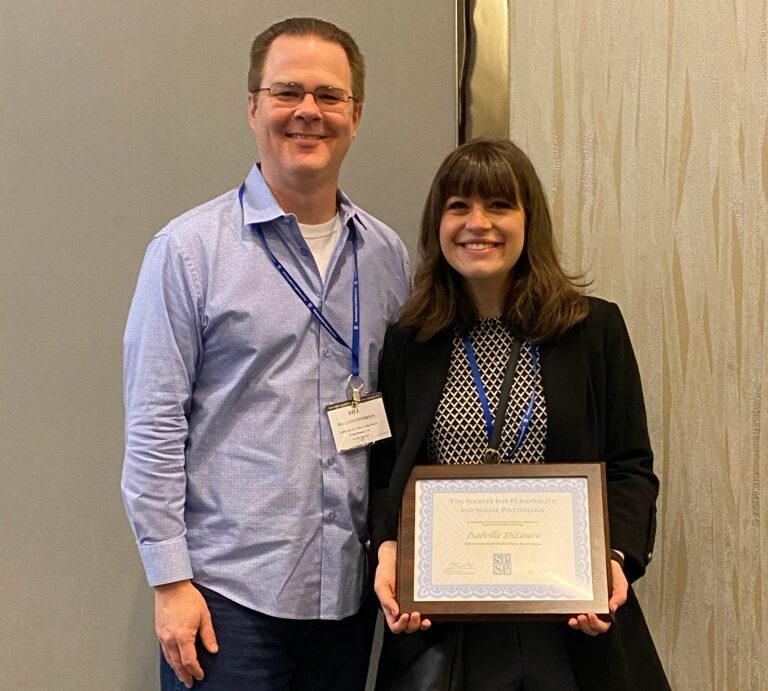
Student Awards
Students from the lab have won several prestigious awards including the Sally Casanova California Predoctoral Scholarship and the CSULB University Achievement Award for Outstanding Graduate Student in Research, Scholarly and Creative Activity.